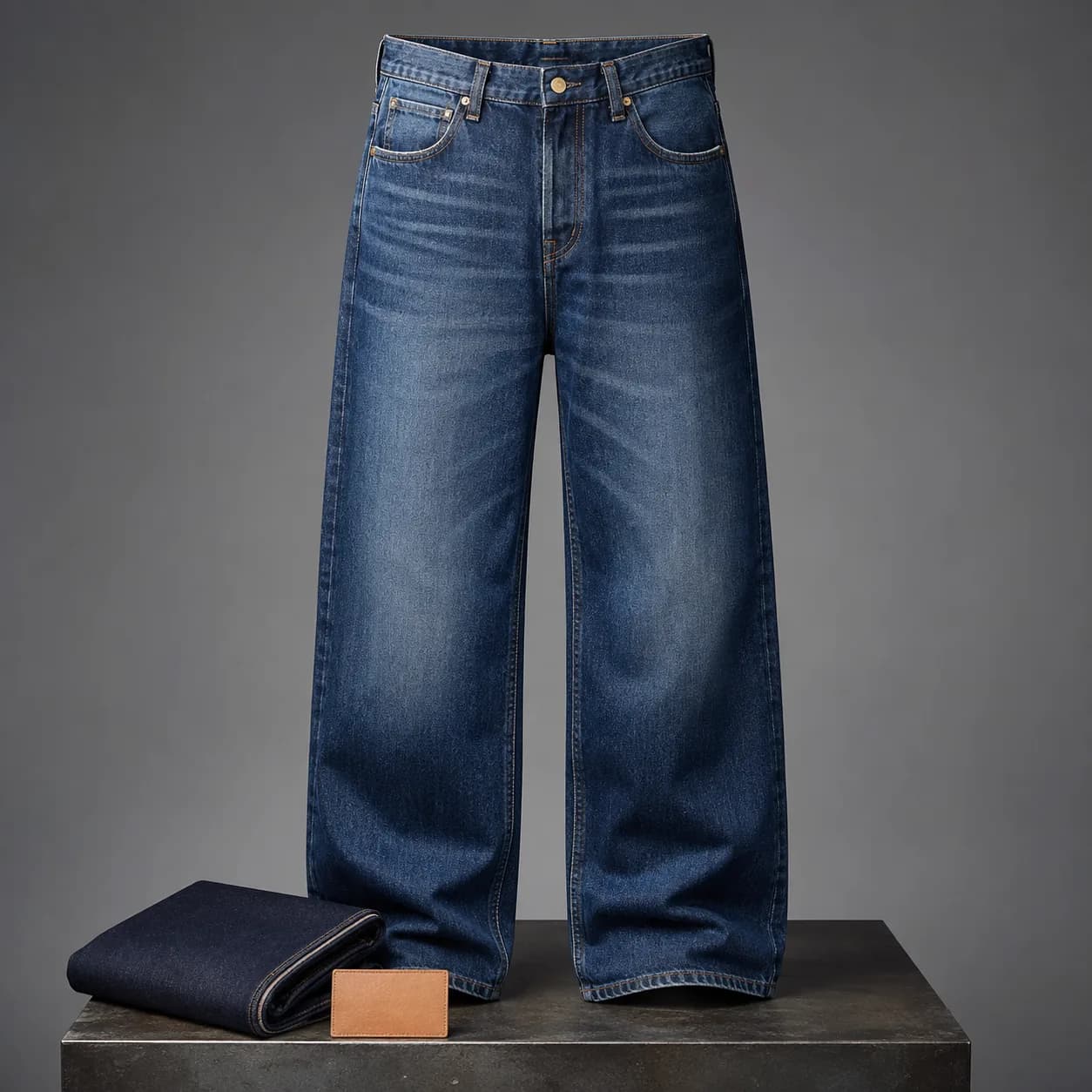
Baggy jeans need room in the intended places, not just a wider hem. Rise, seat, thigh, knee and opening dimensions determine where the garment sits and how the leg falls.
Rise and wearing position
What to decide
Specify front and back rise alongside waist and seat. Low-slung styling changes the apparent leg length and pocket position; describe how the jeans should be worn.
How to approve it
Review front, side and back fit photos at the intended waist position.
Leg shape
What to decide
Set thigh, knee, opening and inseam together. A wide straight leg, a tapered baggy leg and a stacked silhouette require different relationships between those points.
How to approve it
Check the full leg line and movement on-body, not only a flat leg-opening measurement.
Pockets and post-wash fit
What to decide
Large panels make pocket placement and wash variation prominent. Keep pocket coordinates tied to the pattern and define the finished rather than raw-sewn dimensions.
How to approve it
Measure the washed sample and review pocket symmetry and leg twist.
Construction and finish options
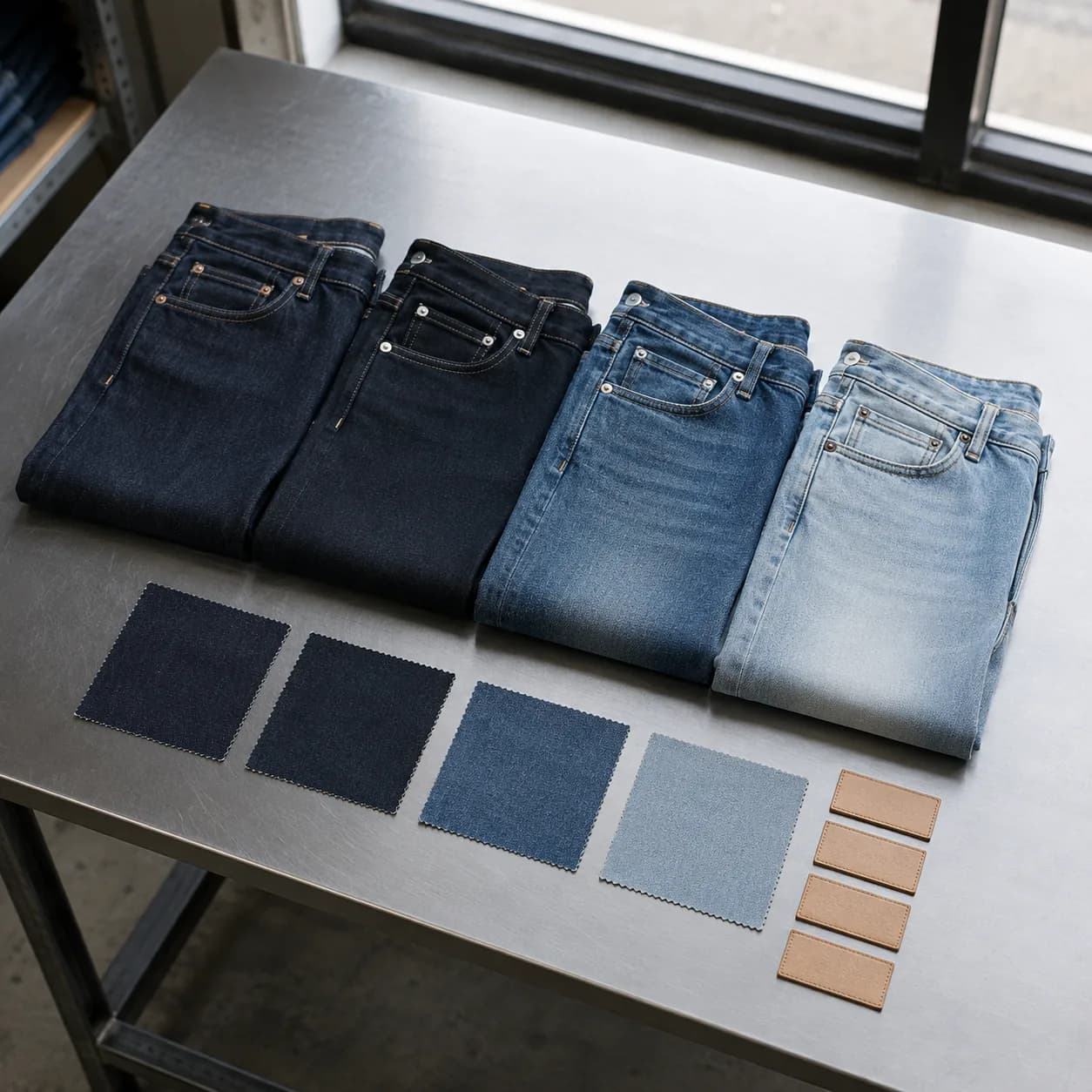
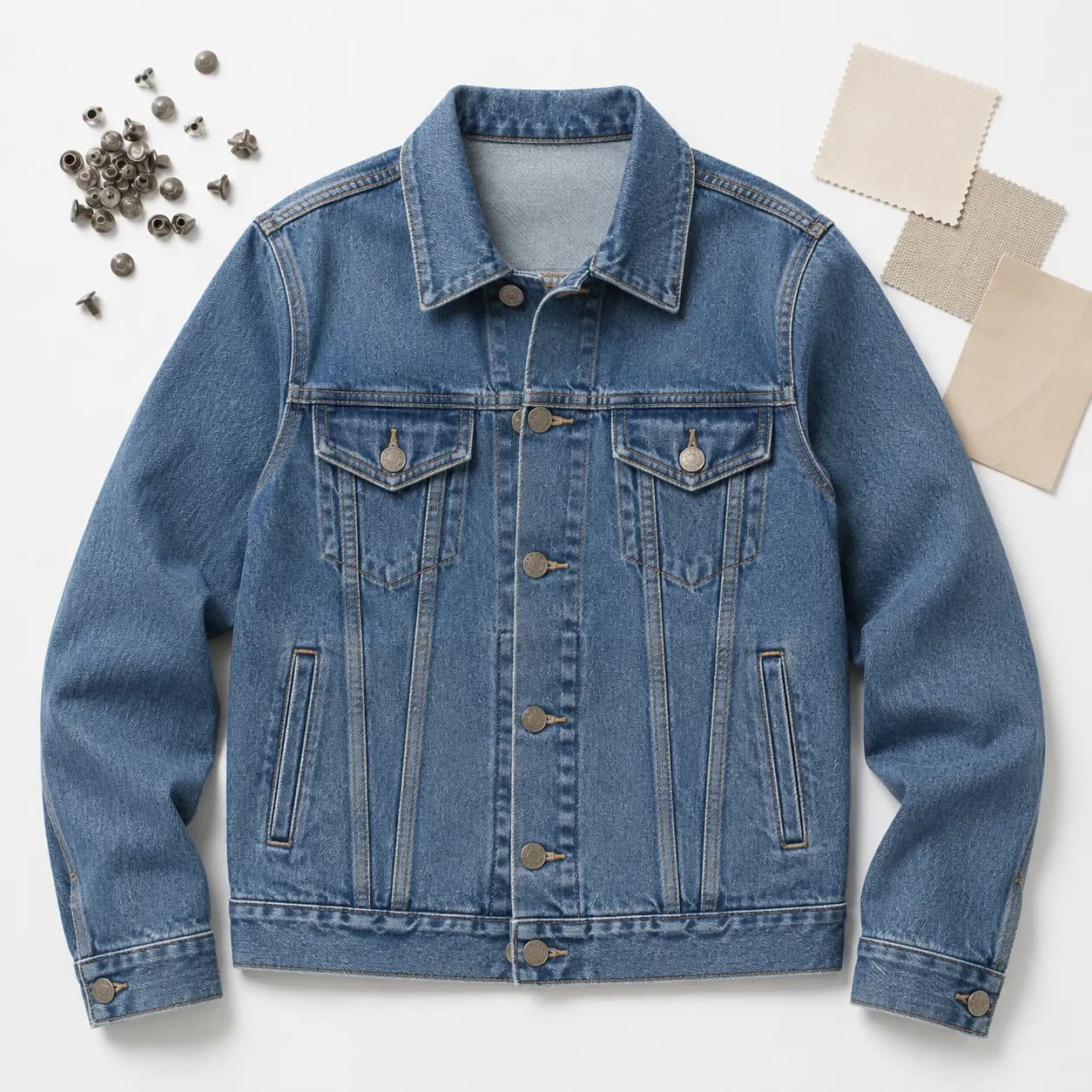
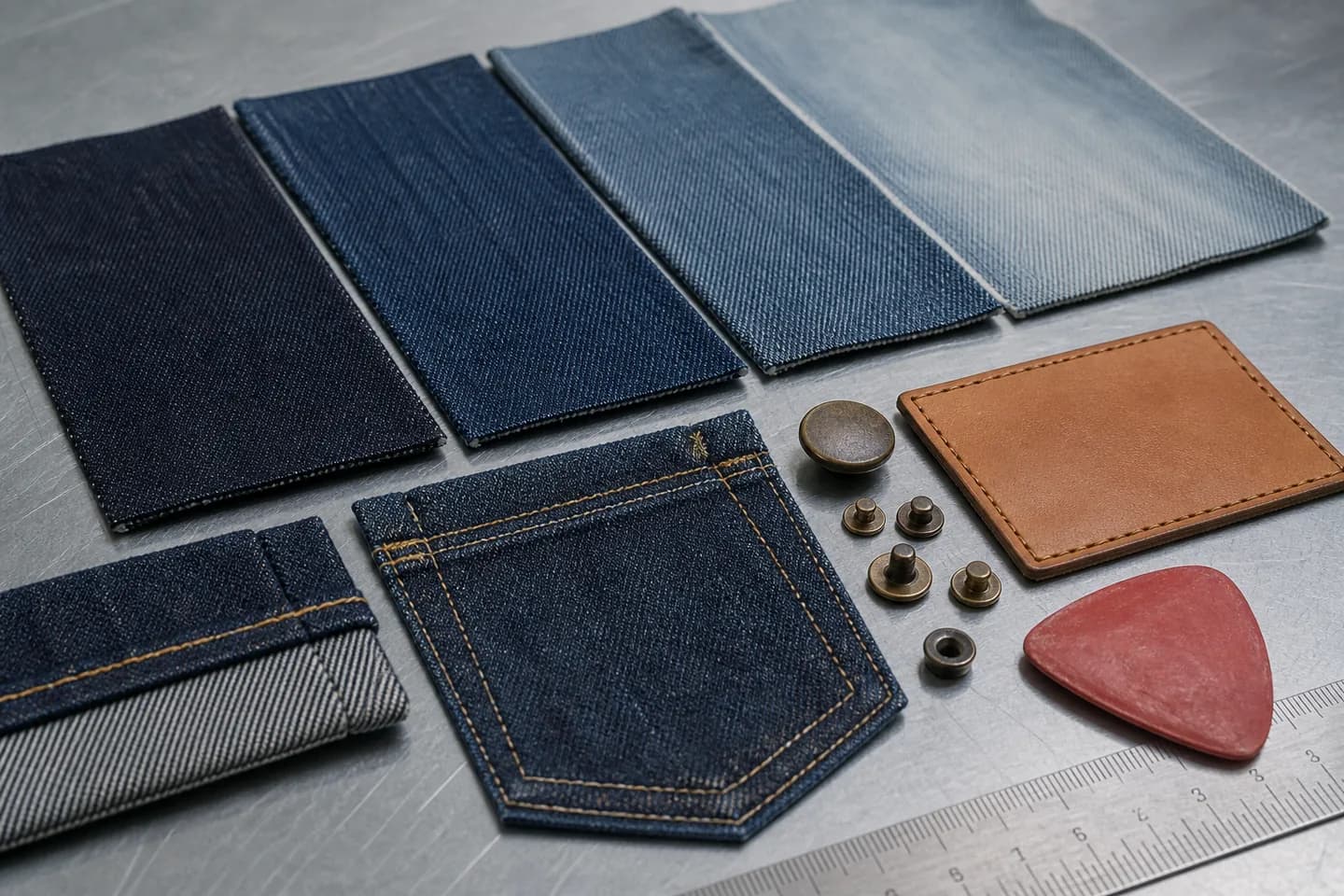
Tune rise, thigh width, leg shape, inseam, pocket scale, yoke, denim weight and wash effect.
Baggy fitWide leg fitLoose straight fitStacked denim
These are the details a factory needs before discussing MOQ, sampling, lead time and production scope.
01 Rise02 Thigh width03 Knee and hem width04 Pocket size05 Wash shrinkage06 Target quantity by color and size07 Delivery country and required launch date08 Trade term, packing, and shipment needs
Checks to agree before production
Fit photo reviewLeg opening measurementPocket balancePost-wash sizing
Questions before sampling and ordering
Are baggy jeans and wide-leg jeans the same?
They can overlap, but the terms do not define a pattern. Baggy can describe room through the seat and thigh, while wide-leg describes the leg line. Specify rise, seat, thigh, knee and hem measurements to remove ambiguity.
Should the size chart use measurements before or after wash?
State the measurement stage explicitly. For ready-to-wear washed jeans, approval should include finished measurements. Keep pre-wash pattern and process measurements separately so production can reach the approved result.
Why did a baggy sample lose its shape after washing?
Possible causes include dimensional change, altered fabric stiffness or a different finish. Compare the fabric and wash records with before-and-after measurements; adjust the pattern only after identifying which variable changed.
What are your MOQ, sample time and bulk lead time?
MOQ is 100 pcs. Samples take 7 days. Bulk production lead time depends on order quantity.