Fit target review
Approve fit and wash separately because wash development can change measurements, shade, and hand feel.
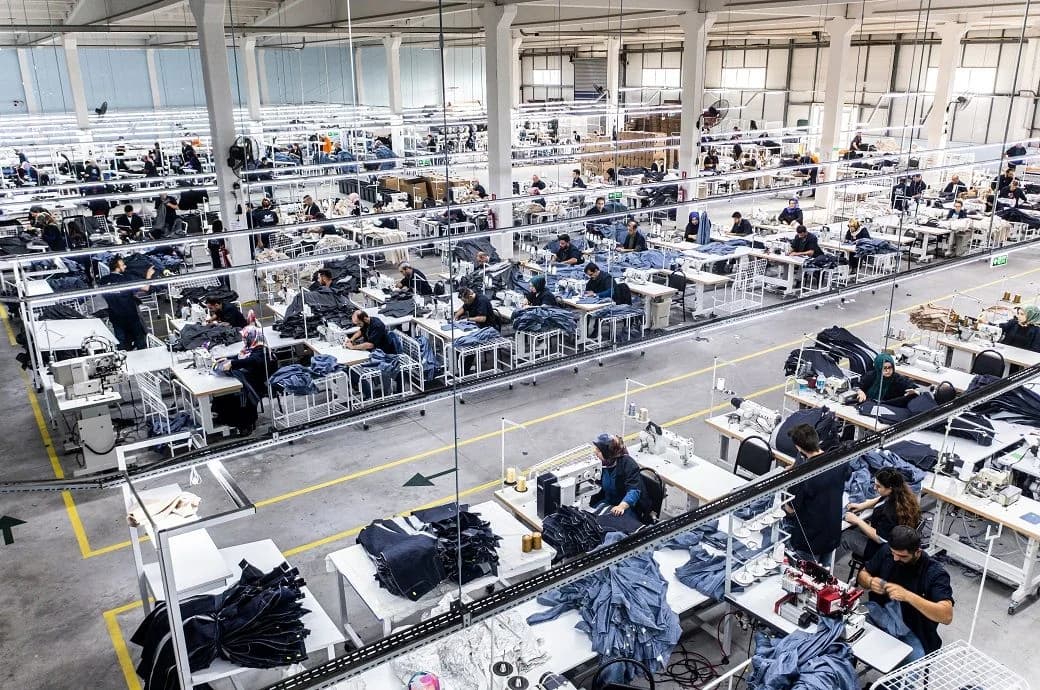
Jeans and denim garment production
Develop finished denim garments with controlled fit, wash, hardware, patches and bulk shade.
Production floor · sewing stations and garment bundles.
Wash changes shade, hand feel and measurements. Approve the base fit and the finished wash as separate production standards.
Review the sample pathDenim product type and fit reference
Fabric weight, composition, stretch, and shrinkage target
Wash reference, shade range, distressing, and finish notes
Buttons, rivets, patches, labels, pocket bags, and packaging
Start with the garment and fit, then specify fabric weight, wash reference, hardware and shade tolerance.
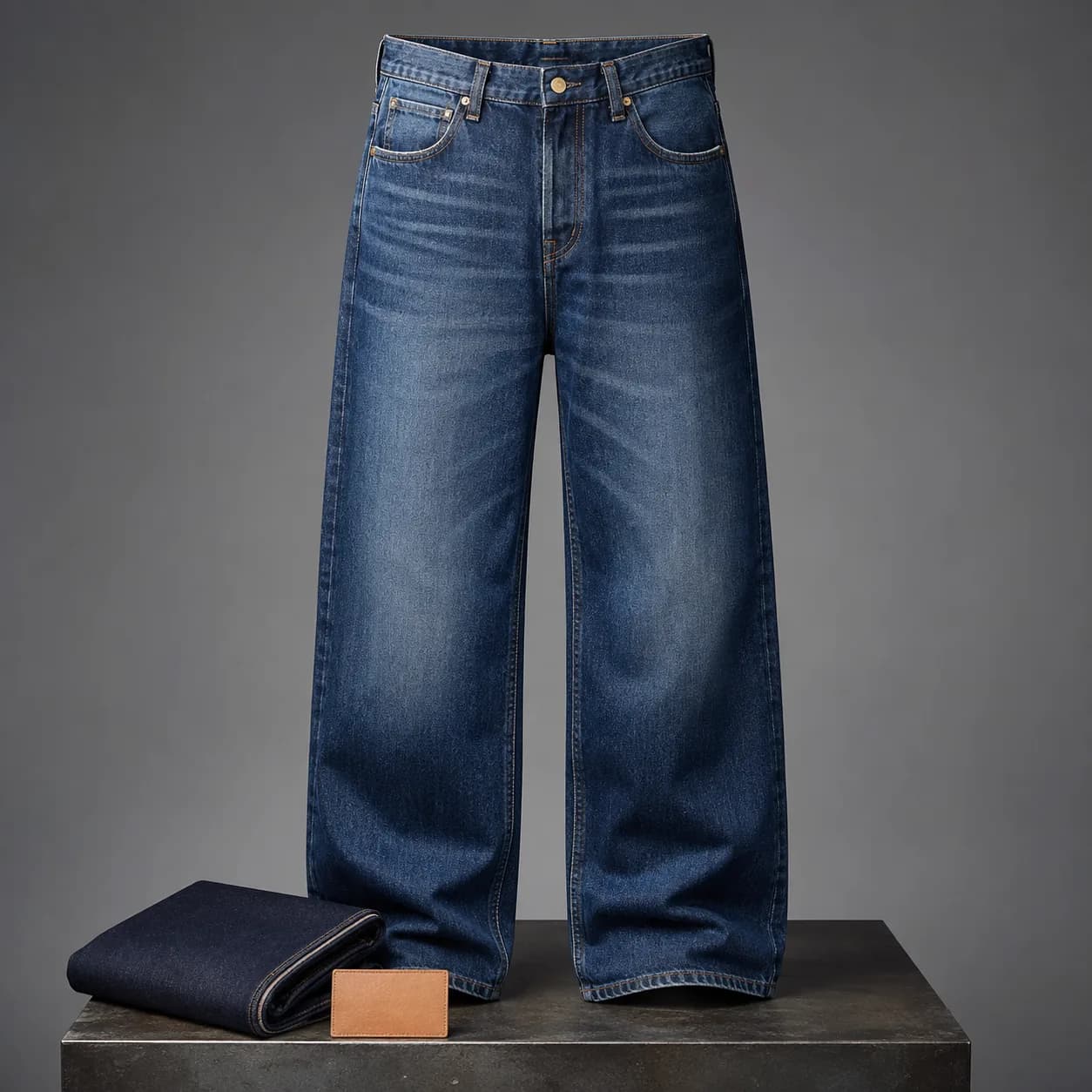
Rise, leg opening, wash shrinkage and size set approval.
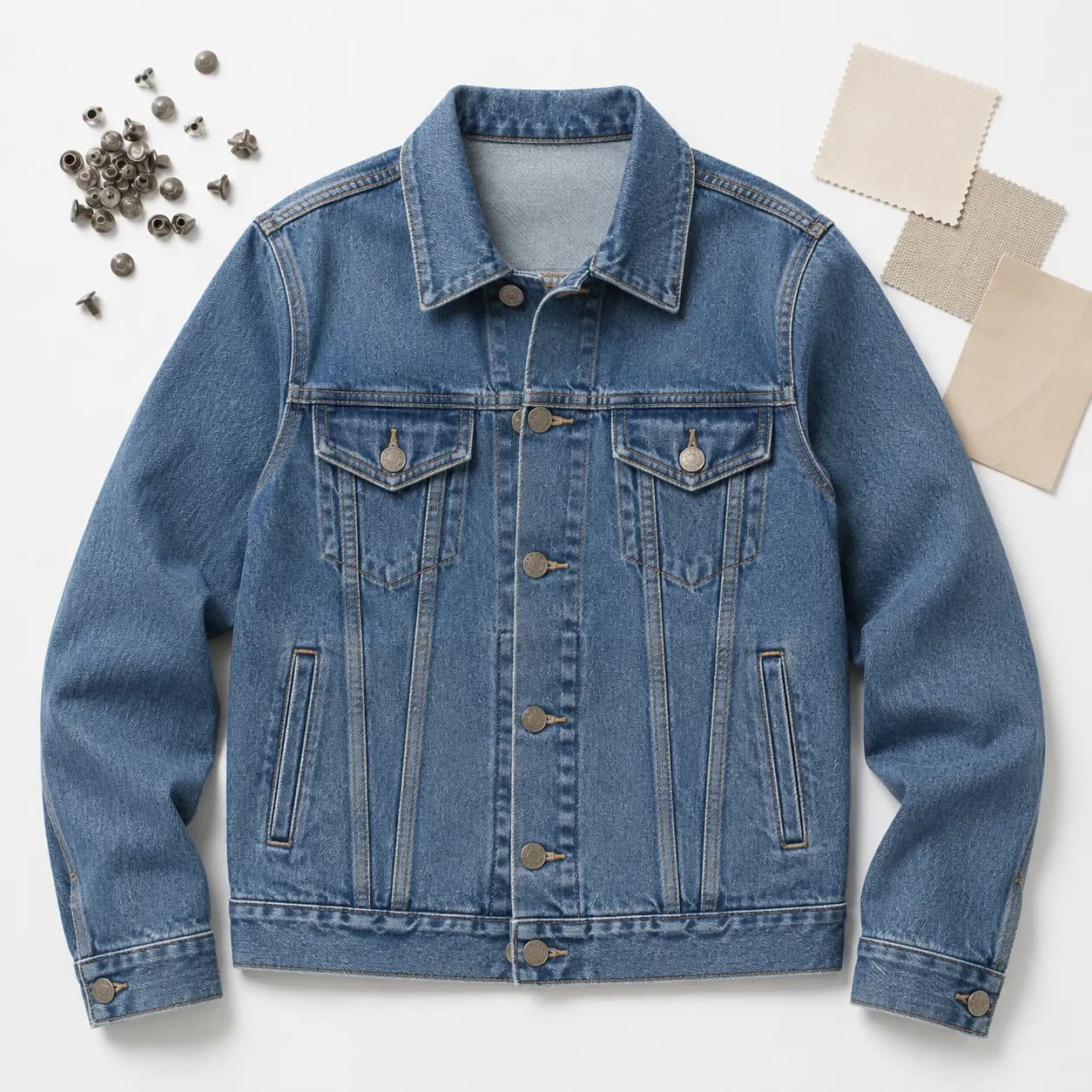
Collar, pocket, hardware, patch and shade band control.
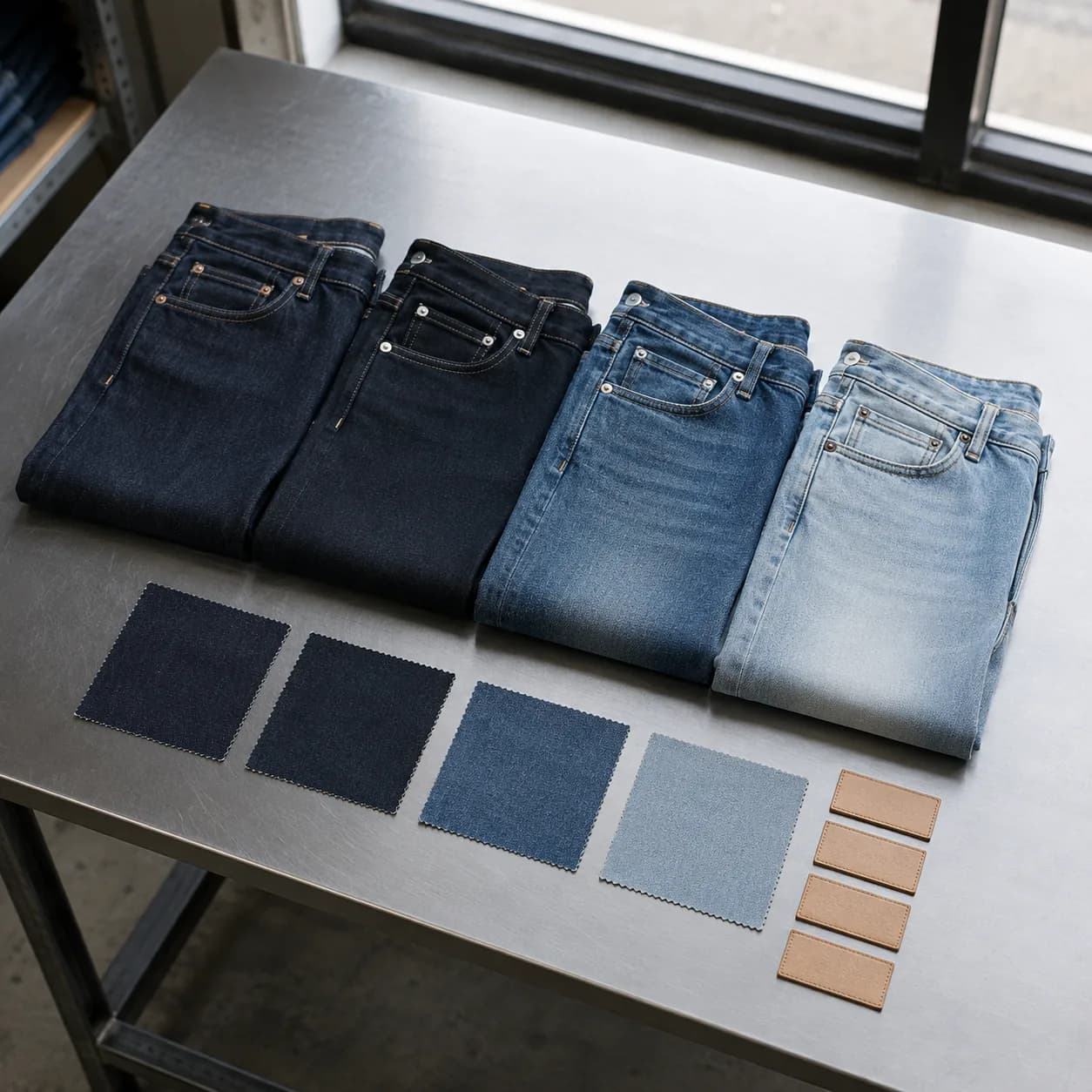
Stone, enzyme, whisker, tint and distressing references.
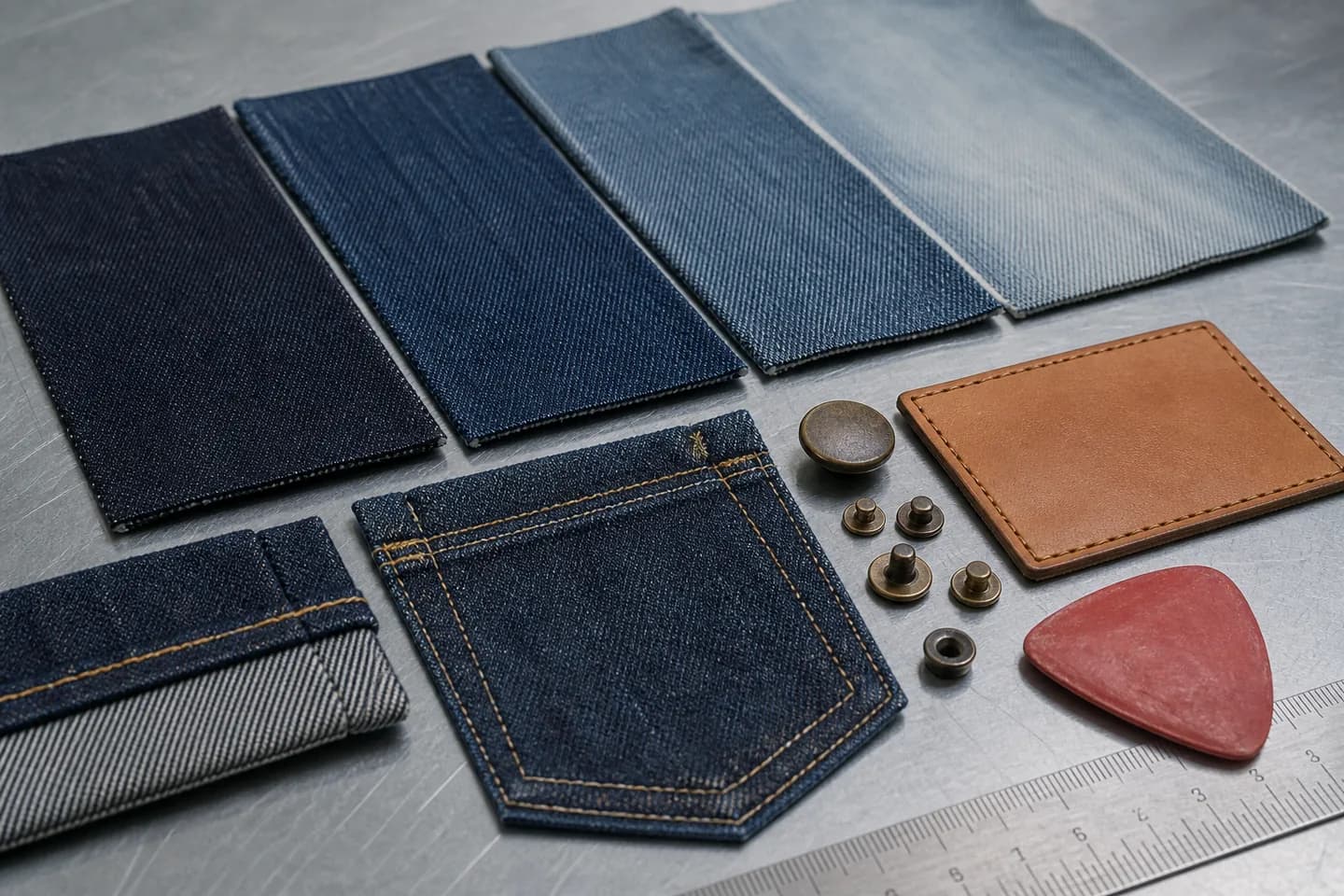
Buttons, rivets, leather patches, pocket bags and hang tags.
Finished measurements, wash shade, trim placement and packing checks protect the sample standard at scale.
Approve fit and wash separately because wash development can change measurements, shade, and hand feel.
Lock trims and hardware before bulk so jeans, jackets, and packaging arrive as one sellable SKU system.
Review shade bands, measurements, trim placement, and carton packing before shipment release.
Approve fit and wash separately because wash development can change measurements, shade, and hand feel.
Lock trims and hardware before bulk so jeans, jackets, and packaging arrive as one sellable SKU system.
Review shade bands, measurements, trim placement, and carton packing before shipment release.
The site focuses on garment production, not upstream denim fabric milling.
Denim weight is often expressed in ounces per square yard, a measure of fabric mass per area. It is not the weight of a pair of jeans. The number is useful for comparing fabric proposals, but composition, weave, stretch and finishing also affect the way a garment feels and holds its shape.
Read the guide Production planningA jeans wash sample should be reviewed as both an appearance sample and a fit sample. Finishing can change tone, contrast, feel and dimensions together. Separate those observations in the comment sheet, then approve their combined result on the same garment rather than approving a color photograph independently of the fit.
Read the guide Production planningBaggy jeans need intentional volume below the waistband, not simply a larger size. Rise, seat, thigh, knee, opening and inseam determine where that volume sits. A clear measurement brief helps distinguish a loose straight leg from a wide, tapered or stacked silhouette before the first pattern is approved.
Read the guideMOQ is 100 pcs. Samples take 7 days. Bulk production lead time depends on order quantity.
Yes. Rise, leg opening, inseam, pocket placement, yoke, wash, and shrinkage can be controlled through the sampling stage.
Yes. Wash trials can be developed for vintage wash, stone wash, enzyme wash, whiskers, fades, tinting, and distressing.
Yes. Buttons, rivets, leather patches, woven labels, pocket bags, hang tags, and packaging can be customized for private label orders.
Product, quantity, material direction, branding scope, delivery country and timing are enough to start.