Fit target review
Approve fit and wash separately because wash development can change measurements, shade, and hand feel.
A stage-by-stage approval path from first product idea to sample, pre-production check, bulk production, inspection and shipment.
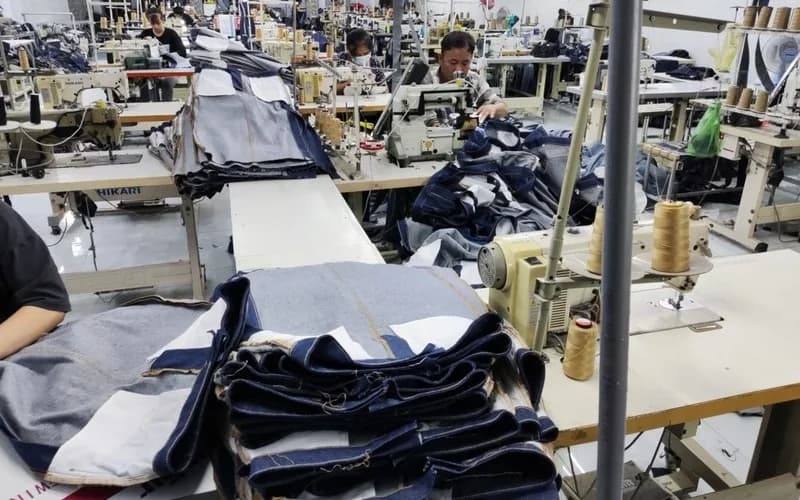
Approve fit and wash separately because wash development can change measurements, shade, and hand feel.
Lock trims and hardware before bulk so jeans, jackets, and packaging arrive as one sellable SKU system.
Review shade bands, measurements, trim placement, and carton packing before shipment release.
These questions keep sample approval, material choice, trim changes and shipment timing from colliding late in production.
Send stageA photo can start development, but it does not reliably communicate color, hand feel or fabric behavior. Use the intended fabric for a trial and agree the physical sample and acceptable range before bulk.
Review washed denim requirementsState the measurement stage explicitly. For ready-to-wear washed jeans, approval should include finished measurements. Keep pre-wash pattern and process measurements separately so production can reach the approved result.
Review baggy jeans requirementsMeasure the finished garment and inspect collar shape, front alignment, pocket symmetry and seam twisting. Check buttons, rivets and buttonholes for appearance and function after the chosen processing sequence.
Review denim jacket requirementsThat depends on the patch material and intended appearance. Trial the selected sequence on the garment. Confirm whether the patch must keep its original look or is intended to age with the wash.
Review private label denim requirementsBriefing a relaxed fit jeans manufacturer starts with defining extra seat and thigh room without allowing the hem to become unintentionally wide. Give the China OEM a measurement sheet, fit references, fabric requirements, pocket positions, and a wash target that preserves the intended silhouette. Review rise, crotch balance, and graded proportions rather than approving the fit name alone. Plan for MOQ 100 pcs per color per design, with separate material minimums confirmed. Samples take approximately 7 days once the brief and materials are confirmed; bulk timing depends on quantity, material readiness, capacity, and approvals. Connect each release to an identified pattern, fabric, and finished sample.
Read the guide Production planningChoosing a private label denim manufacturer requires more than finding jeans that can carry your logo. Separate responsibility for labels, trims, and packaging from control of fabric, fit, sewing, and washing. Confirm ownership and permitted reuse of brand assets and fit blocks before development starts. Plan around MOQ 100 pcs per color per design, with material and trim minimums checked separately. Samples take approximately 7 days once the brief and materials are confirmed; bulk timing depends on quantity, material readiness, laundry capacity, and approvals. Compare suppliers through traceable samples, documented shade limits, and a clear production release process.
Read the guide Production planningBriefing a raw denim manufacturer starts with defining the condition in which the jeans will be delivered and how customers are expected to care for them. Separate rigid construction from an unwashed claim, and identify whether the fabric is sanforized or unsanforized before setting fit allowances. Specify ounce weight, shrinkage evidence, wear growth, permitted processing, and hardware performance through the intended first soak. Plan MOQ 100 pcs per color per design separately from fabric minimums. Samples take approximately 7 days once the brief and materials are confirmed; bulk timing depends on quantity, material readiness, capacity, and approval of the complete production route.
Read the guideTell us whether you have a tech pack, reference sample, approved fabric, artwork, trims, target quantity or fixed launch date.
Denim adds approval steps that other garments do not need. The wash must be approved for shade, effects and hand feel, and measurements must be checked after washing because the fabric shrinks. Hardware should be checked for finish and attachment strength, and patches for color and position after washing.
Wash development is usually the longest step, especially for vintage or distressed looks. Clear reference photos and a list of what is not acceptable help narrow the recipe quickly. Samples typically take 7 days once the brief is confirmed; complex washes may need an extra round.
Keep the approved sample, shade band and wash record for every style. They make reorders faster and more consistent.
If you need specific updates during bulk, such as photos of first washed pieces, agree them in advance.
Ask which points are checked at final inspection, such as measurements after washing, shade, stitching and hardware, so you know the standard applied.