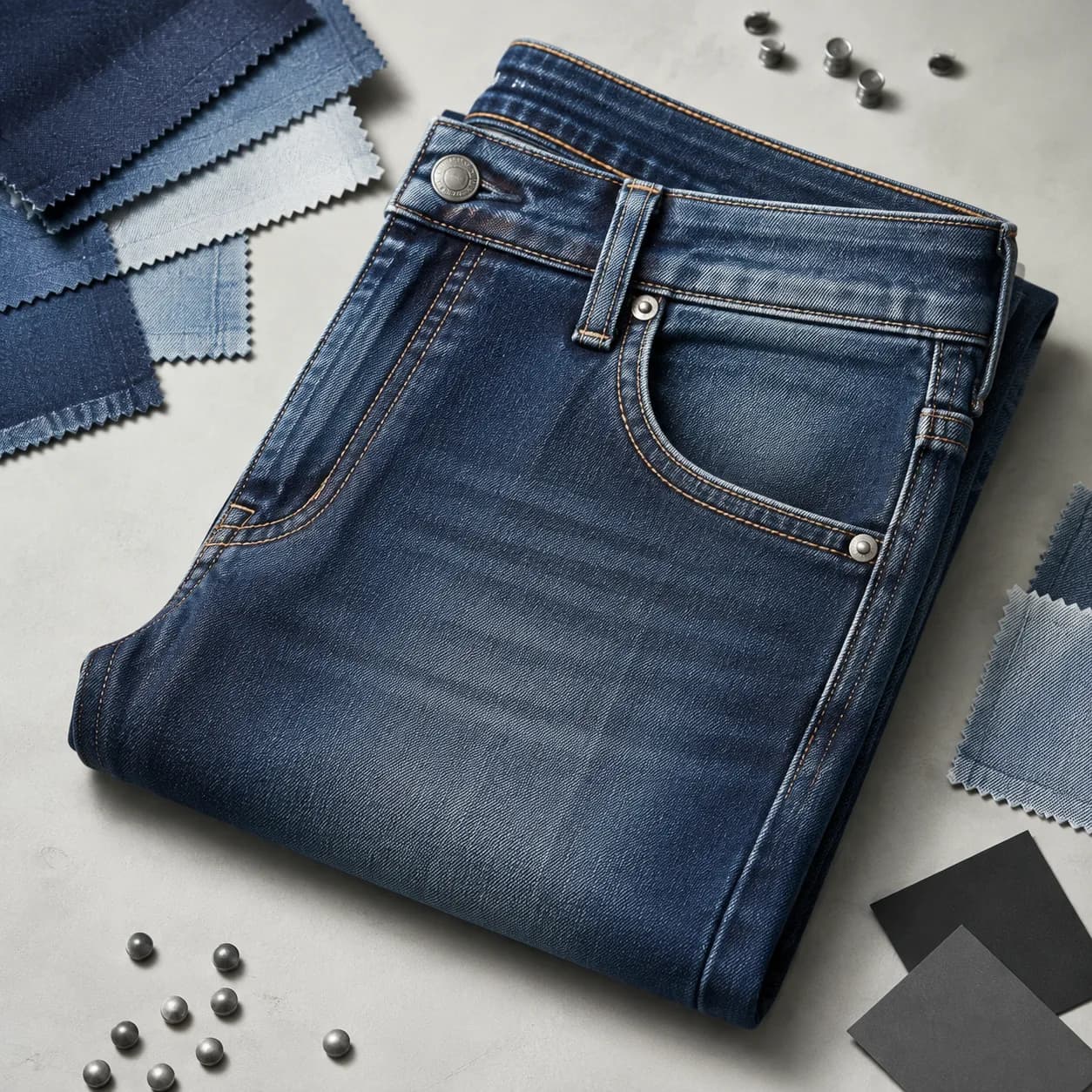
What belongs in a custom denim shirts manufacturer RFQ?
Start with Fabric weight, Collar shape, Button choice, Pocket layout. Add the quantity by color and size, destination country and required date.
Review fabric weight, collar, button placket, pocket layout, wash, topstitching and label application.
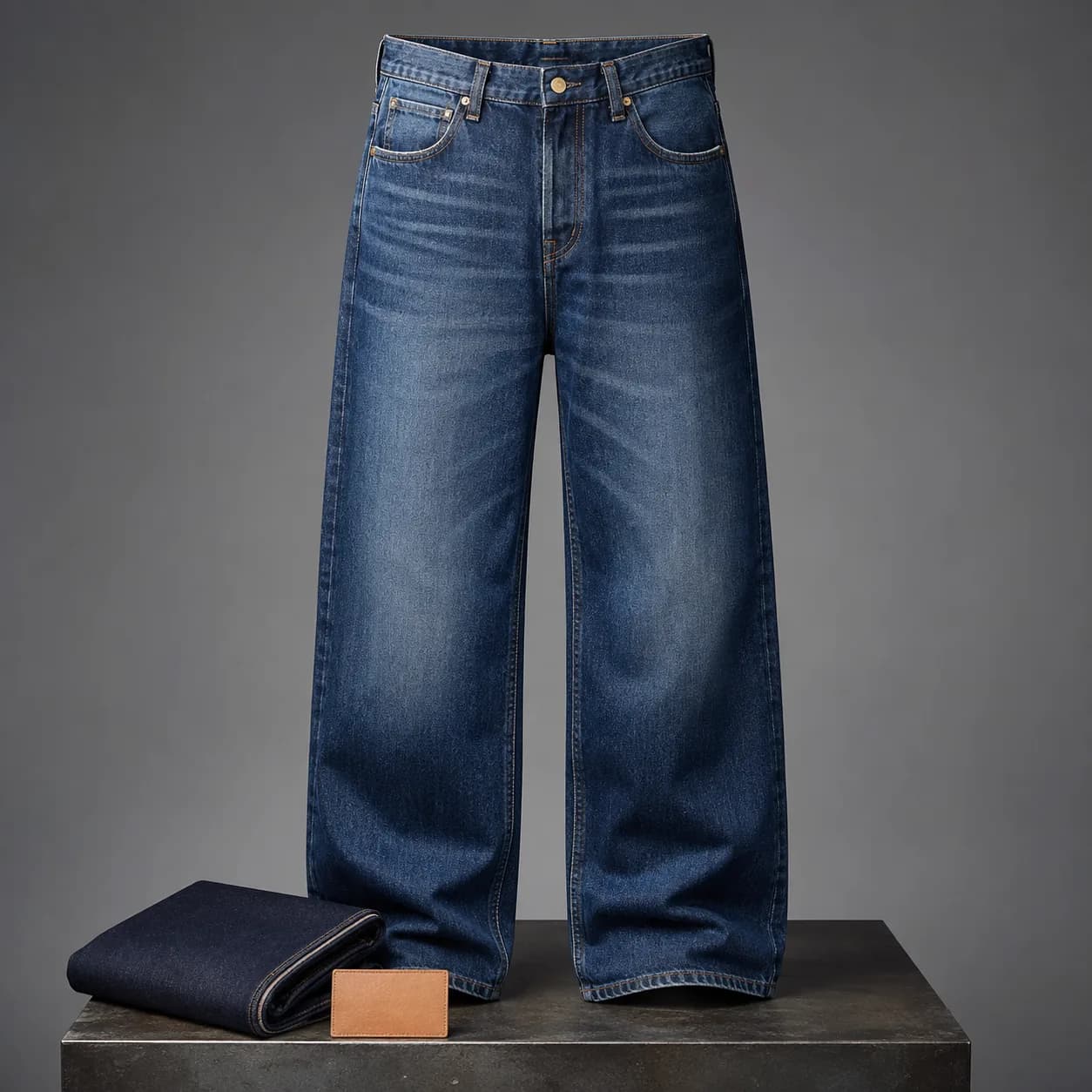
11-14 oz denim
Rise, leg opening, wash shrinkage and size set approval.Wash sample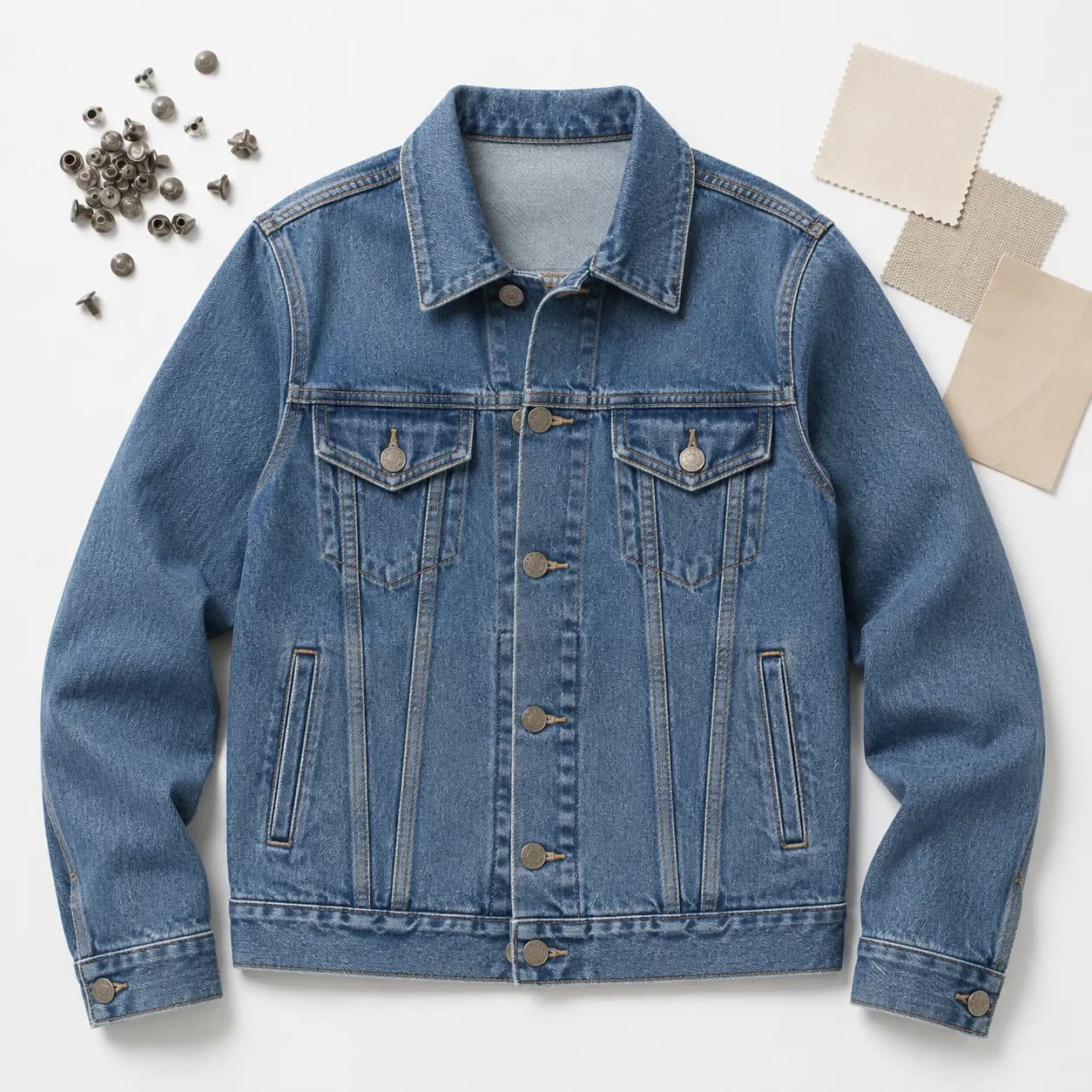
Rigid or stretch denim
Collar, pocket, hardware, patch and shade band control.By construction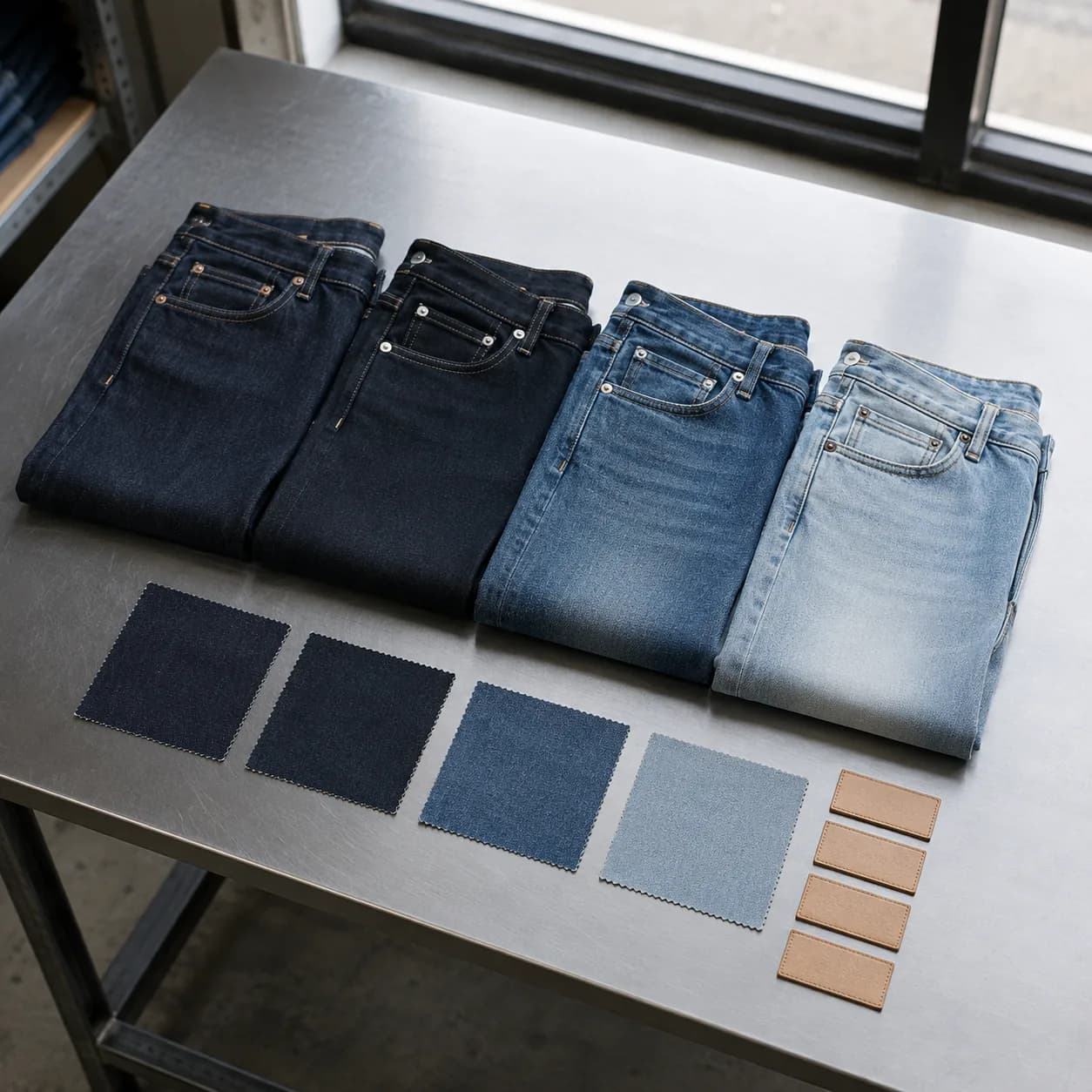
Indigo shade trials
Stone, enzyme, whisker, tint and distressing references.Trial needed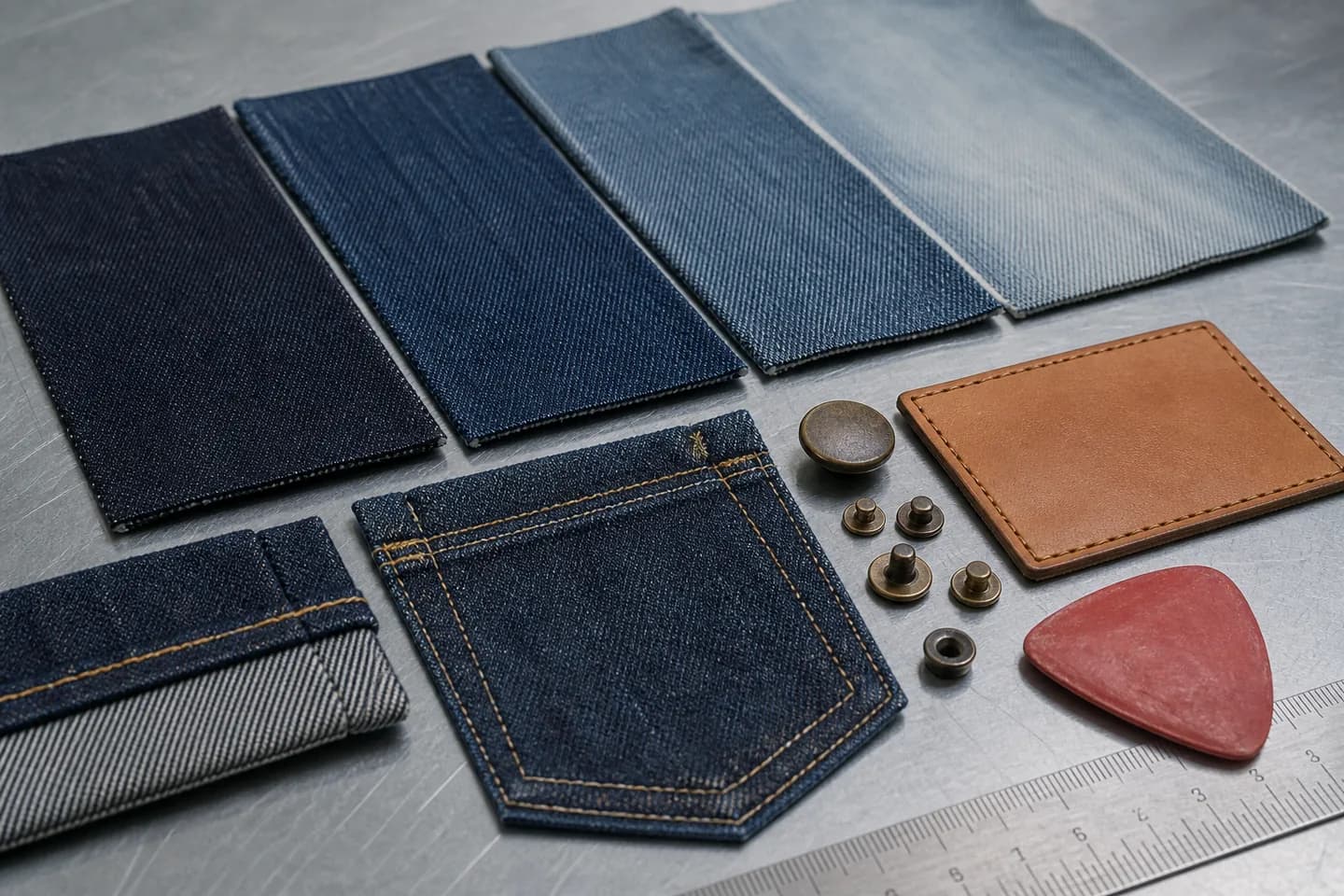
Hardware and patches
Buttons, rivets, leather patches, pocket bags and hang tags.Pack by styleThese are the details a factory needs before discussing MOQ, sampling, lead time and production scope.
Start with Fabric weight, Collar shape, Button choice, Pocket layout. Add the quantity by color and size, destination country and required date.
The sample should resolve Light denim shirt, Overshirt, Western shirt and record the approved measurements, materials, trims and finish before bulk.
MOQ is 100 pcs. Samples take 7 days. Bulk production lead time depends on order quantity.
Collar shape, Button function, Pocket symmetry, Wash consistency should be compared with the approved sample and packing requirements before release.
A denim shirt combines shirt construction — collars, plackets, cuffs and yokes — with denim fabric and wash. Lighter denim and chambray drape more like a shirt, while heavier denim leans toward an overshirt or shacket. Decide which you want before choosing fabric, because it changes the pattern and the trims.
Snap or button closures, pocket flaps and yoke shape are the main design signatures. Specify them clearly with photos or sketches, because they define the style more than the body fit.
Cover these points so the sample is close to your intent:
Shirts have more small parts — collars, cuffs, plackets — that can shrink or twist differently in the wash. Approving a washed sample is important to confirm collar shape and sleeve length after processing. The MOQ is 100 pcs and samples typically take 7 days. If your collection also includes tees or outerwear, our sister clothing site covers those categories.
The difference is mostly fabric weight and fit. A shirt uses lighter denim or chambray and is cut to tuck in or wear alone; an overshirt uses heavier denim, a looser body and often larger pockets so it can be worn over a tee. Decide which you want before sampling, because the pattern, trims and buttons differ.
Pearl snaps suggest a western style; metal shank buttons a workwear look; standard shirt buttons a cleaner finish. Choose to match your brand.
Approve collar shape after washing, as collars can curl.
Regular, relaxed and boxy fits each suit different styles. Specify body width and length for the base size.
Check sleeve length after washing; shirts can shrink more in the sleeve than expected.
Flap pockets, pointed flaps and pen slots are classic denim shirt details. Specify which you want and where they sit.
Include references, quantity, fabric target, color count, logo files, packaging notes and the delivery window.